


Sónar 2026: When Changing Venues Means Redesigning an Experience
Share news
Listen
We often attribute an event’s character to the venue that hosts it. In reality, it’s exactly the opposite. It is the organizers who, year after year, imbue a space with meaning through the program, the routes, the meeting points, and the transitional moments—until, over time, the audience stops seeing a building and begins to recognize an experience.
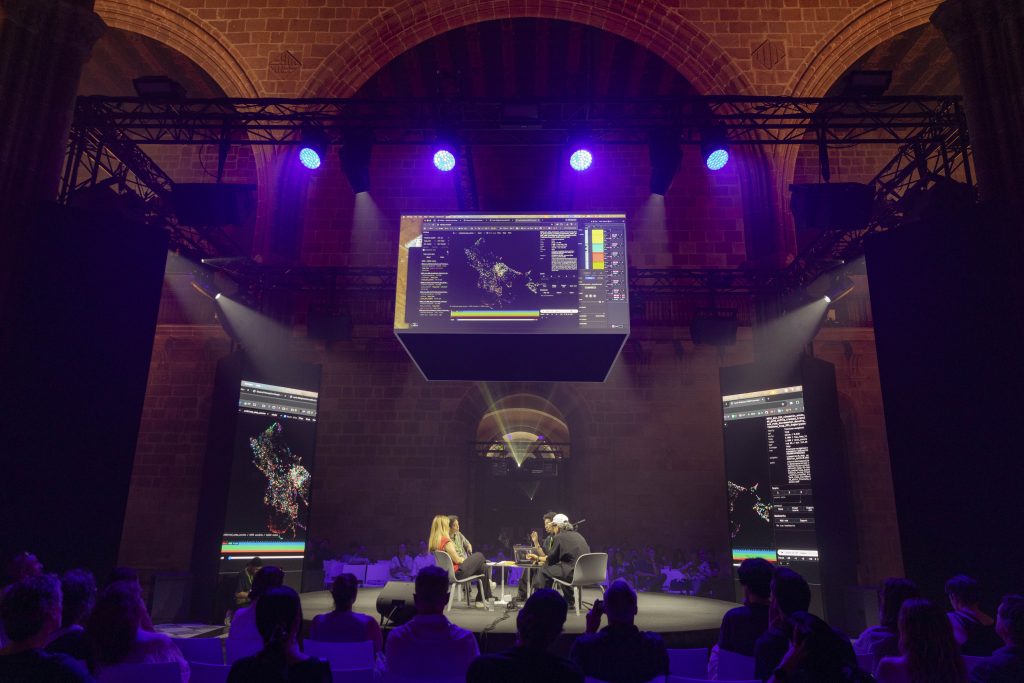
The Plaza de España venue in Barcelona, where Sónar de Día and Sónar+D were held side by side for years, is undergoing a major transformation, and the festival has had to completely rethink its layout. The solution has been to keep Sónar by Night at Fira Gran Via, move Sónar by Day there as well, and locate Sónar+D at the Llotja de Mar, an extraordinary historic building right in the heart of Barcelona.
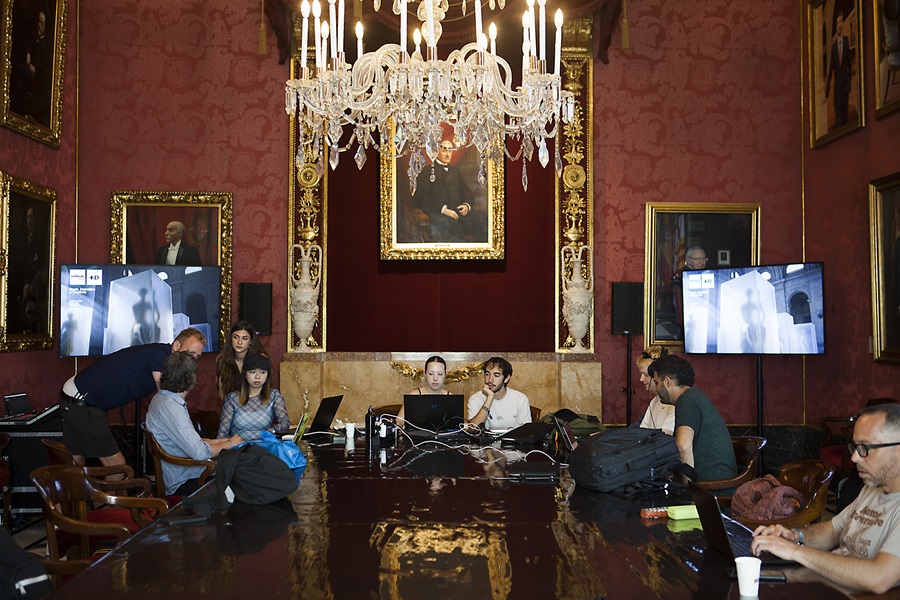
Photo by Roman Yñane
And this radical change in venues and layouts has, naturally, changed the way people experience the festival. Until now, Sónar by Day wasn’t just a time slot in the program. It was an experience with its own identity, one that rooted the festival in the city and unfolded across a multitude of pavilions at the old Barcelona fairgrounds, centered around a large open-air plaza where the main stage was located, along with brand activation zones, several bars, a VIP area, and a relaxation zone. The layout encouraged you to move from one stage to another to discover artists, explore installations (Sonar+D was located on the same grounds), chat, enjoy a leisurely meal, meet up with friends, or simply dance outdoors as the June sun set.
And as night fell, the pace shifted. The move to Sónar de Noche marked almost an emotional transition. The atmosphere changed, the focus shifted to the main stages, the night, and the powerful sound—and the festival took on a whole new intensity.
They weren’t just two venues. They were two different ways of experiencing the same event.
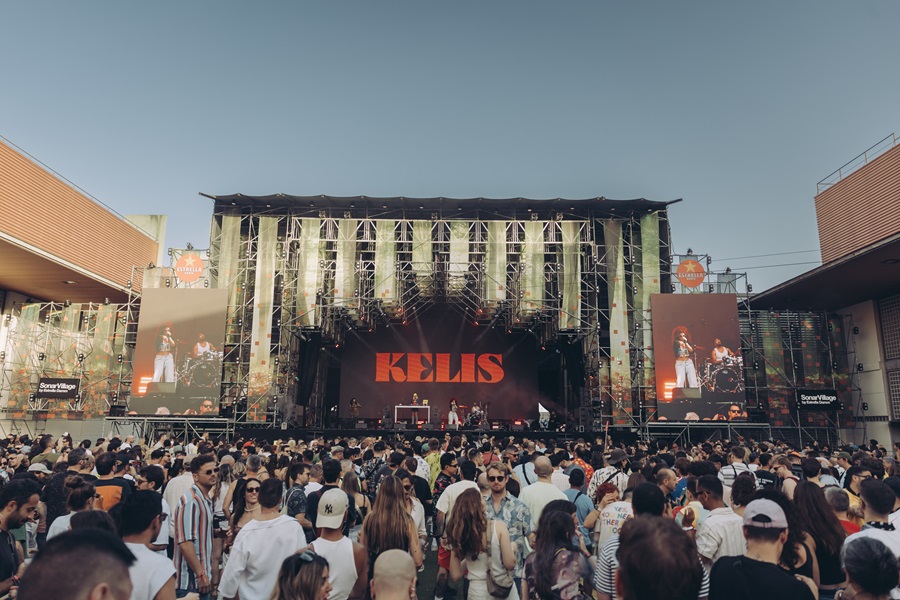
Photo by Nerea Coll
Combining the daytime and nighttime events at the same location has diluted the daytime event. The co-location works from an operational standpoint, but the local and social character of Sónar Dia—which people loved so much—has been lost.
As for Sónar+D, until 2025 it took advantage of its location next to the daytime festival to use it as a sounding board. The boundaries between music, innovation, and social life practically disappeared thanks to the use of the venue
Today, Sónar+D remains a very solid offering, but it is no longer part of that natural flow. It no longer fits spontaneously into the festival experience; rather, it requires attendees to make a conscious decision and take the time to visit it.
And this brings me to a thought that, in my opinion, goes beyond the case of Sónar. As organizers, we tend to talk a lot about content, production, creativity, and technology. But perhaps we pay less attention to the role that the venue itself plays in shaping an event’s identity.
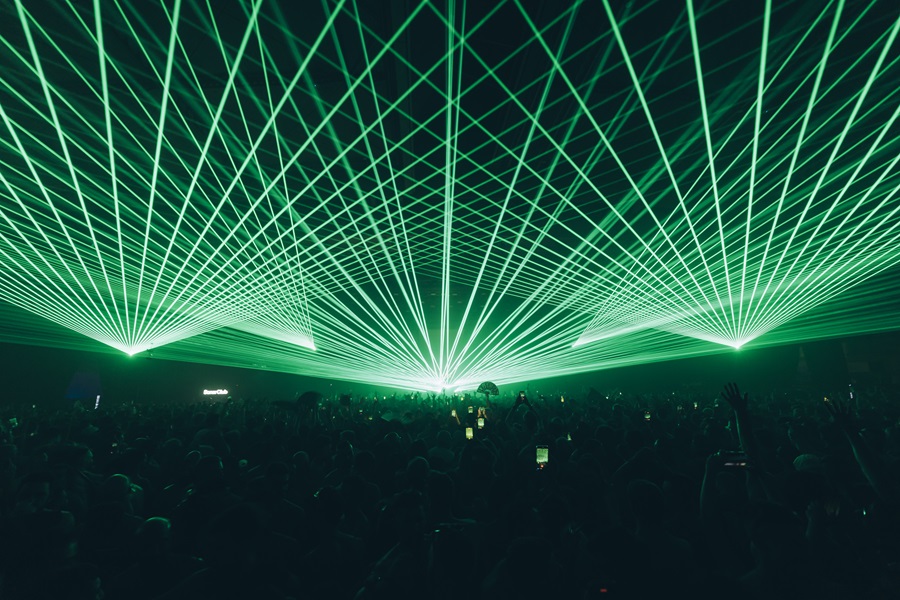
Photo by Charlotte de Witte
A venue is not merely a space; rather, it becomes part of the event’s narrative and is defined by the use the organizers plan for it—and, of course, by how attendees ultimately use it. And over the years, in the case of recurring events, habits develop among the audience.
Attendees learn to experience the event in their own way. They know the layout by heart, have their own rituals, and understand what’s going to happen. These are elements that don’t appear in the official program, but which attendees love and that undoubtedly form as much a part of the event’s identity as its brand or lineup.
That’s why I think the case of Sónar 2026 is particularly interesting for those of us who organize events. Not because the new model is better or worse than the previous one, but because it demonstrates the extent to which a change in venues forces us to rebuild an experience that had been taking shape almost organically over the years.
Perhaps in a few years, the new Sónar will develop its own itineraries, its own rituals, and a new way of experiencing the festival. In fact, that would be the logical next step. Major brands evolve, and so do experiences. That’s the challenge for the organizers.
![[PODCAST] We talk to Mike Van Der Vijver about meeting-design](https://www.eventoplus.com/wp-content/uploads/2026/05/IAyCrea-3-1024x576.jpg)
![[PODCAST] We talk about creativity with Julien Le Bas, creative director at Jack Morton](https://www.eventoplus.com/wp-content/uploads/2026/05/IAyCrea-2-1024x576.jpg)