

The Fascinating Power of Exclusivity at Events: The Berghain Issue

Share news
Listen

There are events like the Met Gala or the Goodwood Festival of Speed —which we recently covered—where that sense of exclusivity is clearly part of their success. René Girard argued in his theory of mimetic desire that people do not desire things for their intrinsic value, but because they are desired by others whom they take as role models.

Therefore, in many cases, the value of the event stems not only from the experience itself, but also from the fact that attendees are experiencing something others would like to experience. There is also another fascinating aspect: perceived affinity. The awareness that attendees have all passed the same screening process immediately creates an in-group bias. In other words, it creates a small “community” that shares common values, status, or interests—and a certain sense of “security.”
The Paradox of Exclusivity and Counterculture: Sven
For those who think that exclusivity sounds outdated and is a thing of the past, confined to the elitist social structures of the 20th century, nothing could be further from the truth. Exclusivity may not evoke equal opportunity, but it certainly seems profitable in the medium and long term, and it remains as aspirational and emotional as it has been in the past—only now it takes on more subtle and contemporary forms.
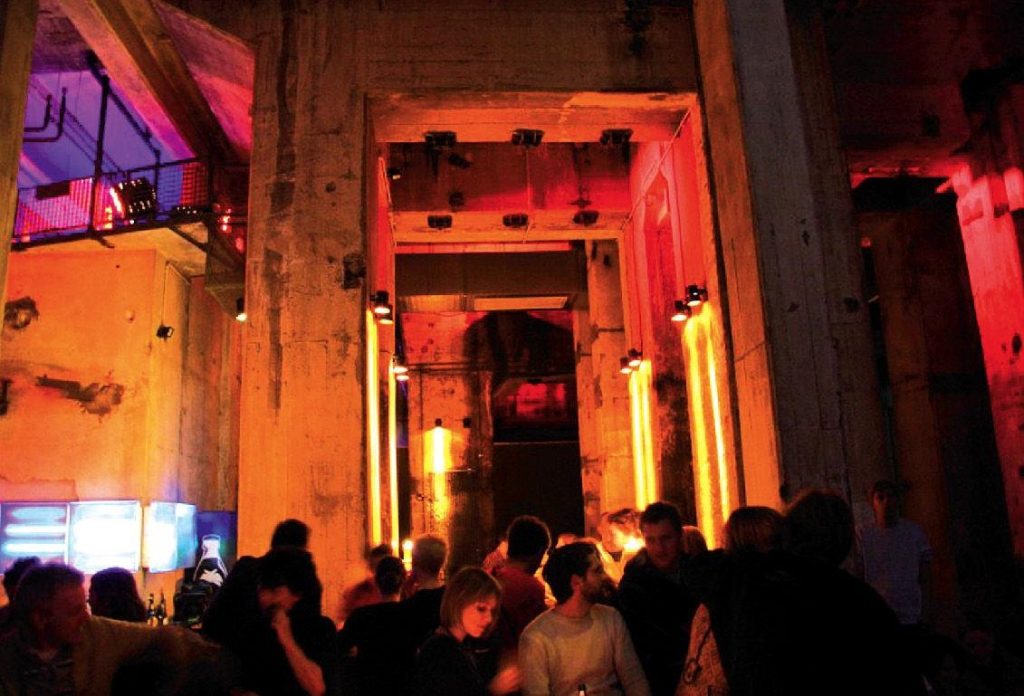
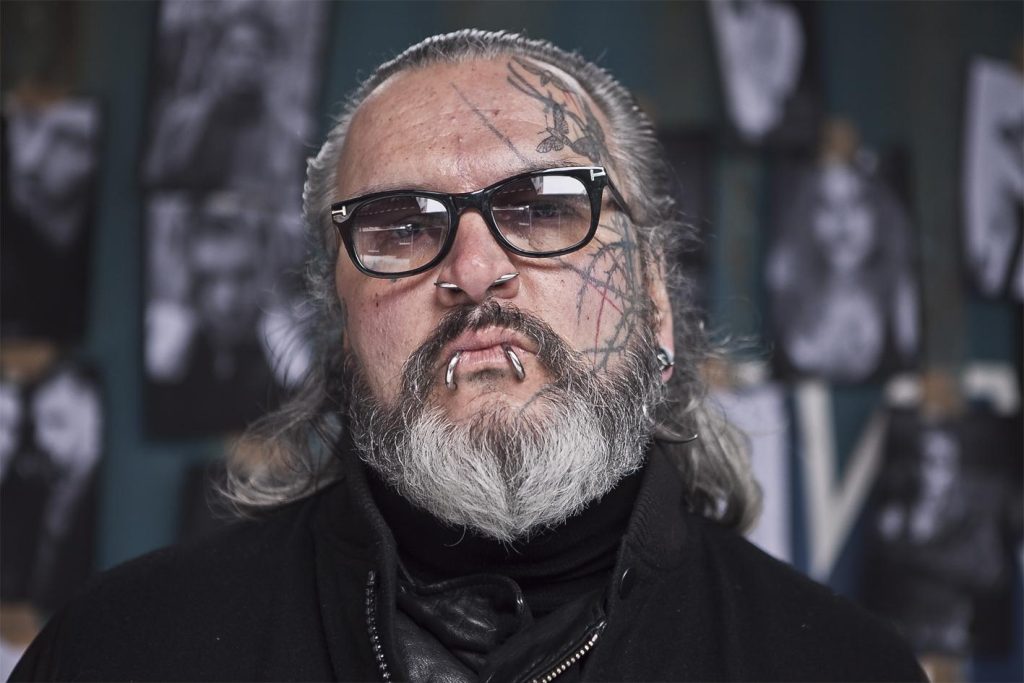
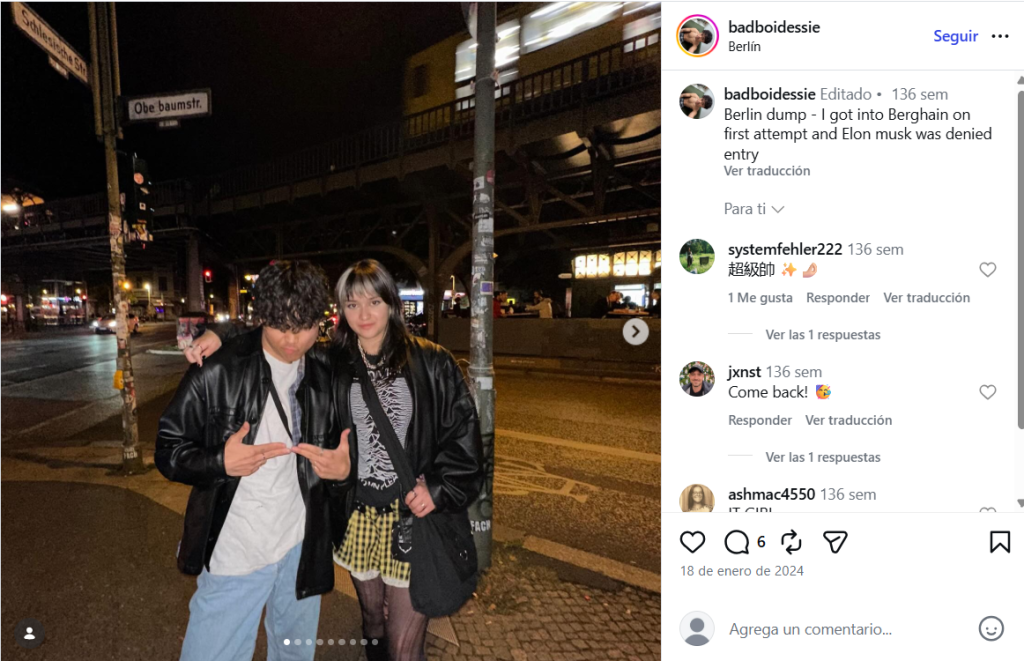
Take the Berlin electronic music club Berghain, for example, where the door policy is simply unpredictable and based exclusively on the legendary judgment of its doorman, Sven Marquardt. In other words, neither money, nor your outfit, nor your good looks guarantee you entry. What Sven values is “subcultural capital”: perceived authenticity and attitude—in this case, rooted in techno aesthetics and queer culture. Inside, your attitude is also put to the test: security staff place a sticker over your phone’s camera; if you tear it or remove it, you’ll be immediately ejected and permanently banned. Forget about showing off—welcome to anonymity, because in the bathrooms there aren’t even mirrors or reflections to prevent you from being self-conscious about your appearance. In addition to Rosalía, Berghain is known for the fact that in 2022, they simply refused to let Elon Musk and his companions in. Why? Because Sven didn’t like him.
Although the Met Gala and Berghain may seem like polar opposites, from the perspectives of social psychology and event management, both share nearly identical structural dynamics for generating desire and controlling their ecosystems. In both cases, the goal is to attract co-creators who help bring that inner community together, as a kind of “curation of experience.” They also agree on strictly controlling their narrative and privacy by restricting cameras—a decision that fuels the event’s mystique. And within these spaces, they achieve the “miracle”: privacy fosters the trust necessary for genuine interaction.
Credit: Sven Marquardt, Leipzig Book Fair 2015. Photo: Lesekreis / Wikimedia Commons (CC0).