

Medicine Festival: The Spontaneous Event That Brands Are Clamoring For
Share news
Listen
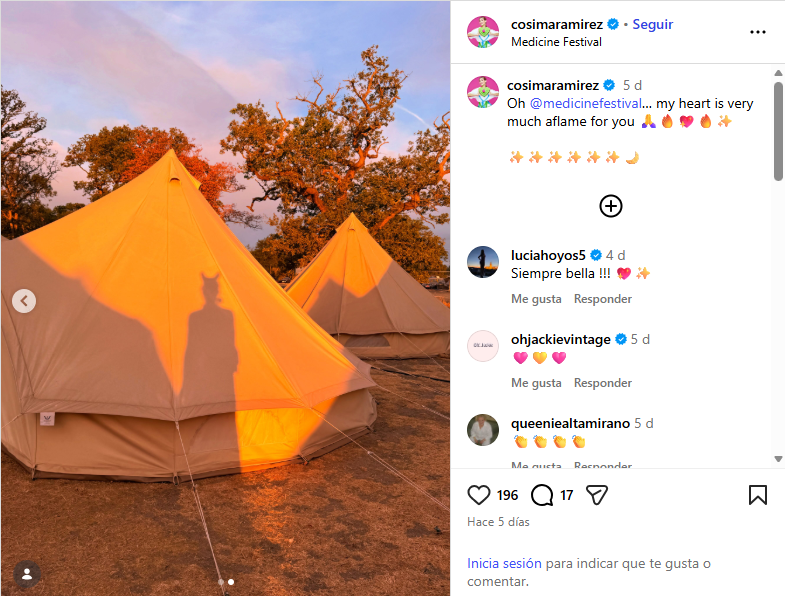
The contemporary fascination with well-being (beyond just health) is a major catalyst for gatherings and group experiences that sometimes turn into fascinating events. Such is the case with the Medicine Festival, a festival of well-being and ancestral ceremonies held annually in the United Kingdom that attracts thousands of people. Among them is socialite Cósima Ramírez: “Ah, @medicinefestival, my heart burns intensely for you,” wrote Cósima Ramírez after experiencing this amazing event. She was one of over 10,000 people who attended from August 12 to 17 to explore everything related to physical and mental health.
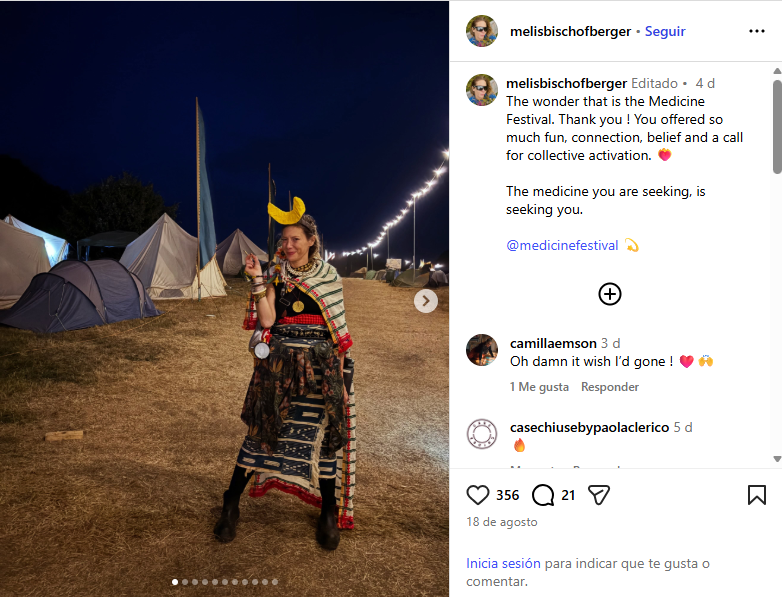
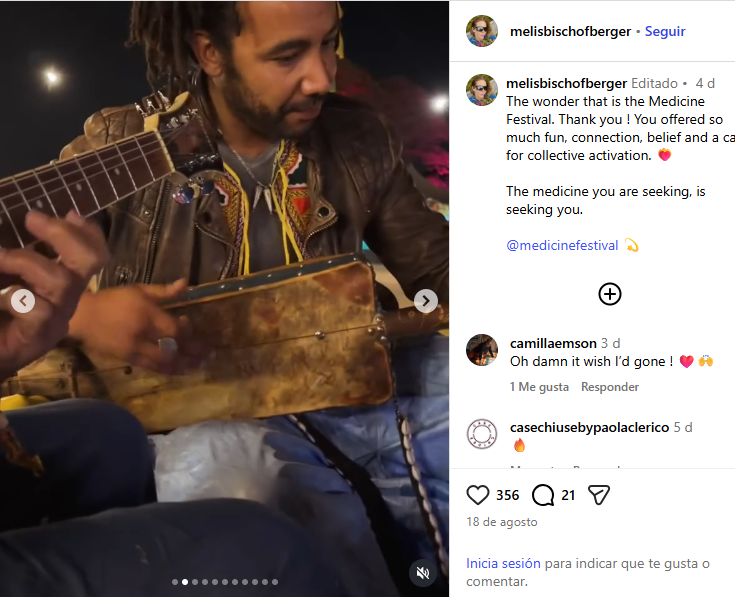
Perhaps the main appeal of these events lies in both their spontaneity and their lack of sophistication—which in no way implies a lack of quality in the content. In the case of Medicine, Cósima herself recounted that they slept in tents and enjoyed various musical performances (such as Sophia Barrell Bird or the Catalan artist Álex Serra, who don’t perform often), or the duo Little Whale, an ambient, downtempo, and folk-electronic music project created by producer and musician Lauren Noa. Or that one night, the attendees called for rain during one of the festival’s most special moments.
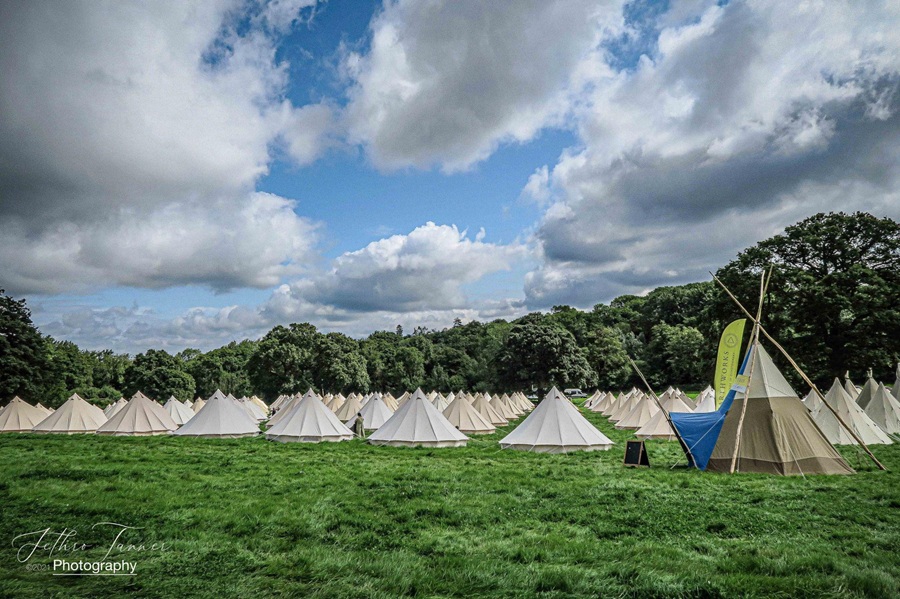
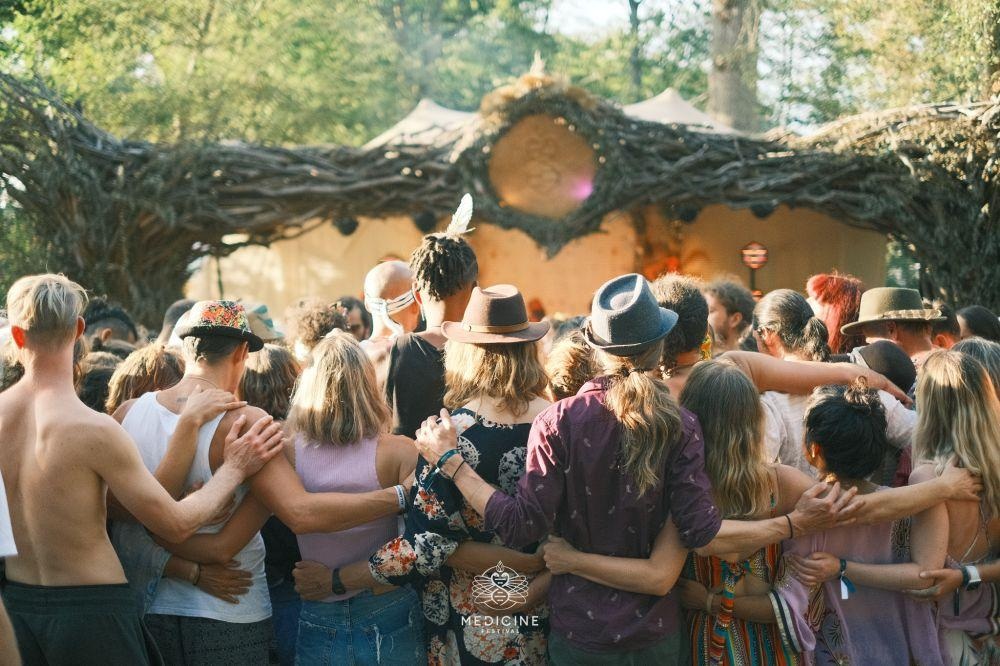
The details: The Medicine Festival costs 416 pounds plus the cost of lodging, and is organized around activities such as music, yoga, meditation, community experiences, and kinesiology. It takes place at Wasing Estate, located in Aldermaston, Berkshire, England (near Reading and an hour from London). It is a nonprofit organization, and all proceeds from the festival go toward “empowering indigenous peoples to preserve and protect their lands, traditions, and wisdom” and support organizations “such as Amazon Watch, Survival International, the Boa Foundation, and Earth Percent, as well as making direct contributions to communities and land protection projects on four continents.”
If you think this kind of event is just a get-together among four friends, keep reading. For starters, its business model: Medicine is incorporated as a Community Interest Company (CIC), which is a nonprofit organization that serves the community. The organization states that any surplus funds are allocated to community projects, indigenous organizations, and causes related to the protection and regeneration of the biosphere. Since 2021, it claims to have allocated more than 109,000 pounds to indigenous communities, land defenders, and projects aimed at protecting tropical forests. And it is by no means a small festival in terms of production: in 2024, it had 252 paid staff members, 854 volunteers, and 854 artists, performers, and facilitators. Its production costs rose from about 147,000 pounds in 2020 to 1.51 million in 2024.
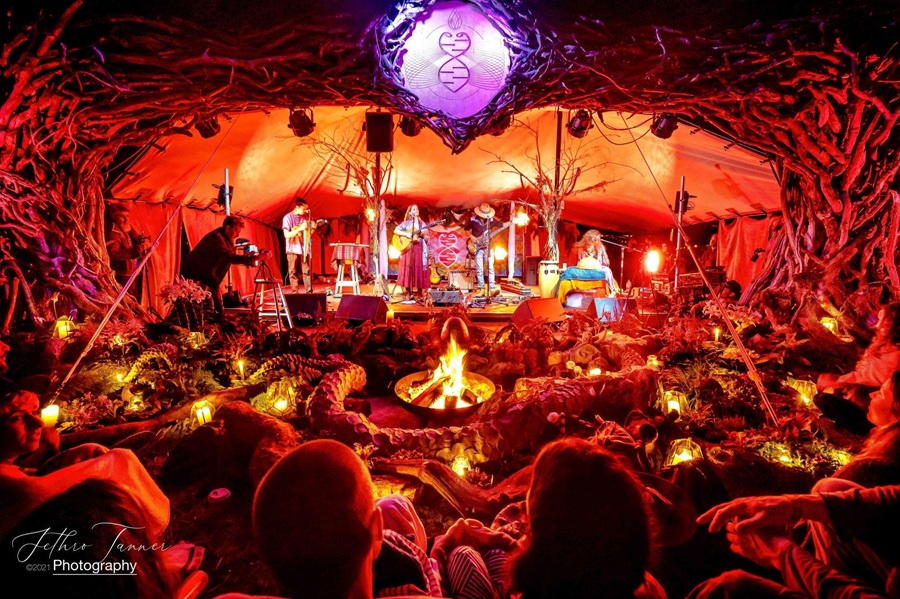
However, the true value of the event lies not in its ability to generate profits, but in something far more valuable and abstract: the ability to build a community around its mission: “How can we be the medicine.” This is so central to the festival’s spirit that the organizers have decided that, starting in 2026, the event will be held biennially so that the intervening years can be devoted to developing initiatives and the community. With no sponsors behind it (though it works with partners), Medicine has become a brand in its own right.