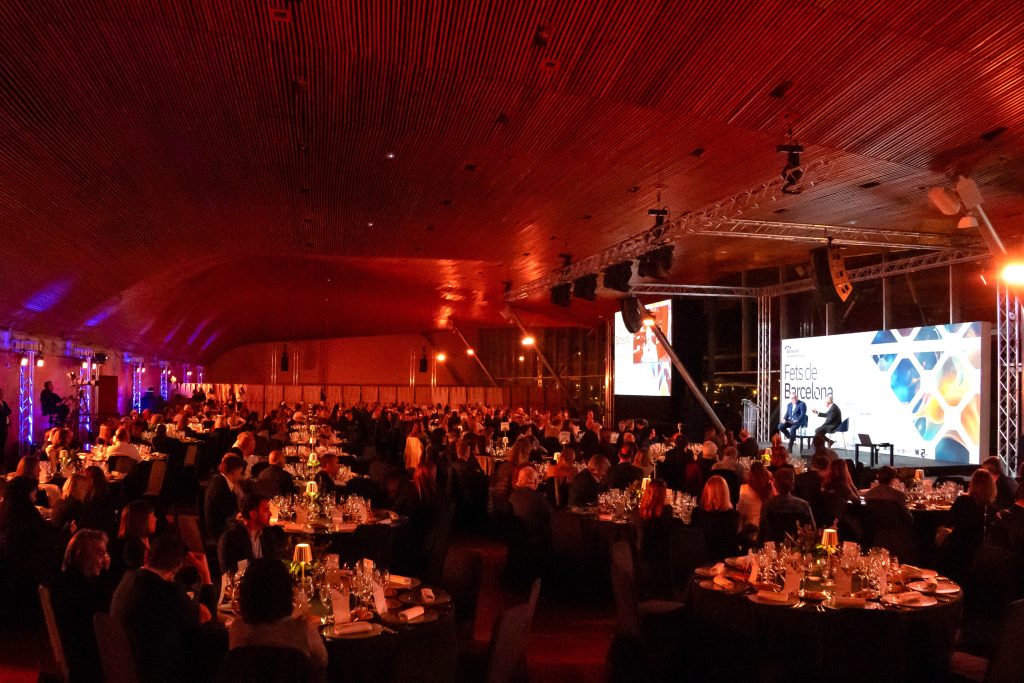


AI Week Barcelona transforms the city into an AI campus with more than 50 events
Share news
Listen

A two-day conference that actually begins almost a week earlier. AI Summit Barcelona has decided to move part of its program out of the World Trade Center and spread it throughout Barcelona, turning the city into a sort of campus centered around artificial intelligence.
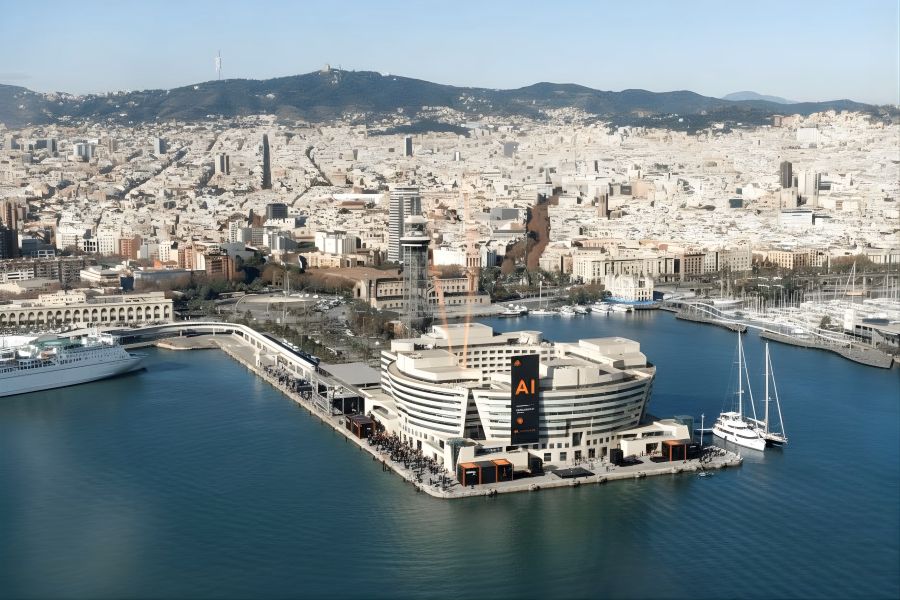
This is the program for AI Week Barcelona, which features workshops, meetups, demonstrations, meetings with investors, dinners, activities for founders, and networking sessions organized in collaboration with companies and communities. The week will culminate on September 22 and 23 with the AI Summit Barcelona, which is expected to bring together more than 10,000 attendees and 200 speakers at the World Trade Center Barcelona.
The convention leaves the venue
The format is reminiscent of that used by some of the major international technology conferences and is also beginning to be seen at sporting events. It’s what the industry is starting to call “festivalization”: the main event serves as a gathering point, but the experience is spread across different venues throughout the city.


In this case, much of the program is not produced solely by the organization. Companies, startups, tech communities, investors, and other stakeholders in the ecosystem can develop their own side events and incorporate them into the AI Week schedule. The organization offers them support in designing, coordinating, and promoting these events within the overall program. The result is a calendar that aims to feature more than 50 side events. The Summit’s own website already lists “50+ side events.”
“We didn’t want to just organize two days of conferences inside a single building. Our goal is for Barcelona to experience artificial intelligence for an entire week, with a variety of formats, communities, and conversations. The Summit is the main gathering place, but the entire city is part of the experience,” explains Guillaume Rostand, CEO of AI Summit Alliance.
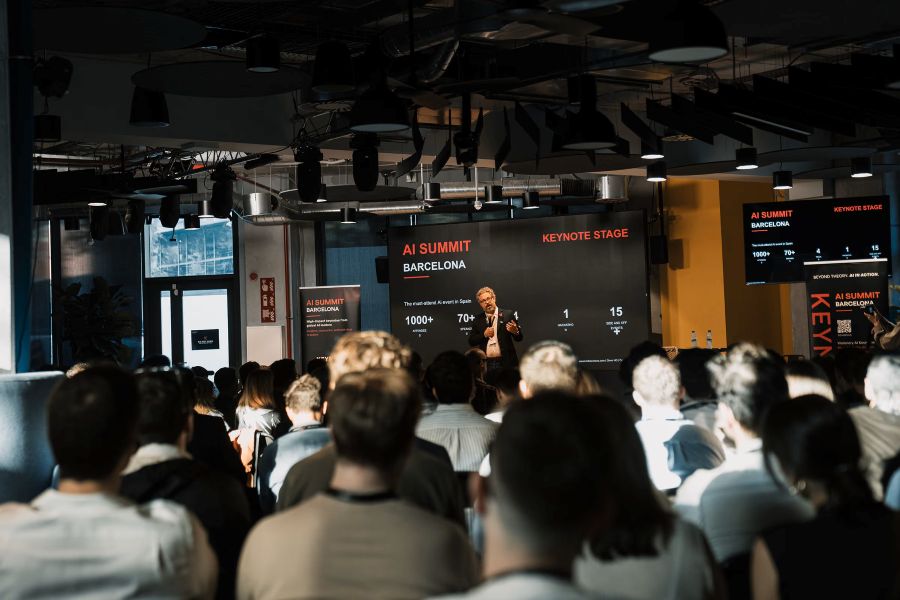
From Aticco to Pier 01: The program is spread throughout Barcelona
And the idea of an “open campus” is quite literal. The program available these days includes activities at Bcombinator, Aticco Sants, Tech Barcelona – Pier 07, Pier 01, venues in the 22@ district, and the W Barcelona, among other locations.
The format also varies depending on who organizes the event. There are sessions focused on the business use of AI tools, gatherings of founders, networking events with wine, meetings for investors, international gatherings, and discussions about technology accountability and regulation.
This variety makes it possible to segment audiences much more effectively than with conventional programming: a single umbrella event can give rise to smaller events tailored to specific professional profiles or communities.
In addition, AI Week side events are open to everyone, regardless of whether they have a ticket to the Summit, although some activities require separate registration or prior approval.
A hackathon before the big event
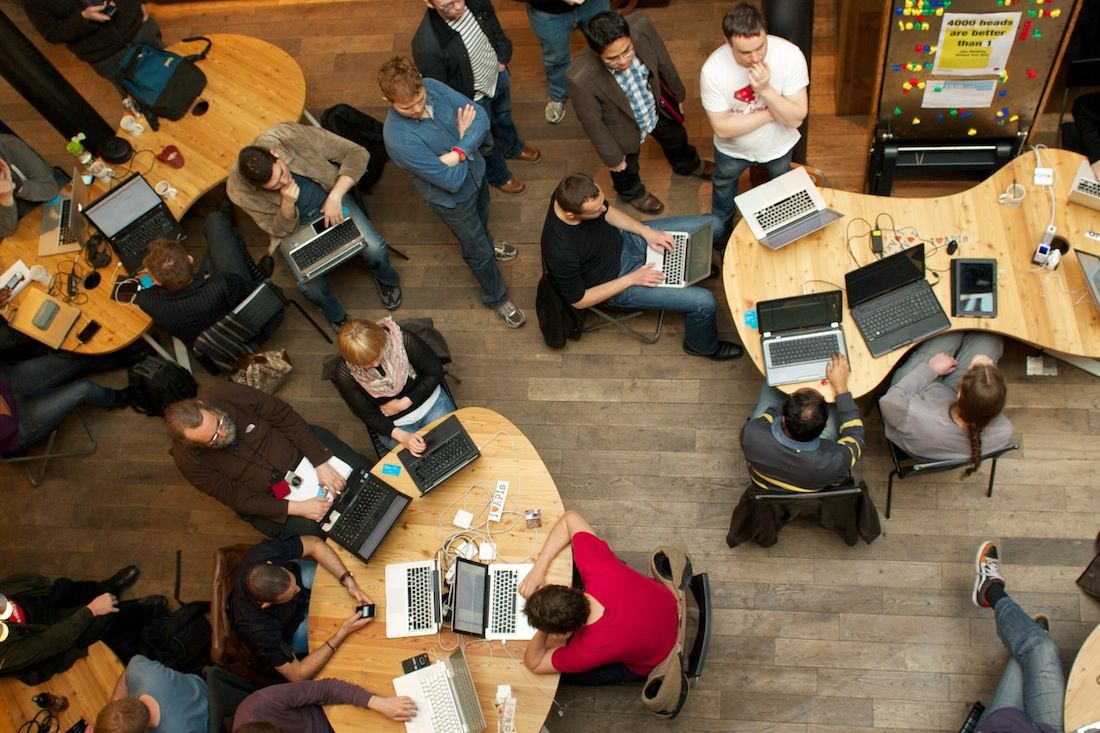
As we mentioned last week, this program also includes HackBarna, the hackathon associated with AI Week Barcelona, which will take place on September 19 at Norrsken House Barcelona.
The format extends the AI-powered conversation to project development: developers, designers, entrepreneurs, and others work on creating solutions during the event.
When the event outgrows the venue
Beyond its technological content, AI Week Barcelona is interesting as an exercise in event design.
Instead of trying to concentrate the entire experience within a single venue, the organization uses a main event as a platform to activate a much broader ecosystem. The organizer maintains the central event but leaves part of the programming in the hands of partners and communities that already have their own audiences.
This makes it possible to expand the range of formats and touchpoints without necessarily turning the official program into an endless series of sessions.
And Barcelona is no longer just the city hosting the conference; it has become an integral part of the event’s format: offices, innovation hubs, rooftops, coworking spaces, and corporate venues are all incorporated into a shared program over the course of several days.
For the events industry, the proposal raises an interesting idea: perhaps the next step for some major conferences will not be to grow solely in terms of square meters, but to become platforms for experiences.