


Pop-ups: Much More Than Just a Cool Format
Share news
Listen

Almost gradually, the pop-up format is blurring the line between campaigns, retail (which we’ll discuss at length in the next issue of Events Magazine), events, and activations. Today, brands use these temporary physical spaces to drive communication, create brand experiences, conduct market research, drive sales, and generate content. It’s essentially an experiential retail model that goes far beyond simply raising brand visibility or serving as a powerful PR initiative.
Check it out.
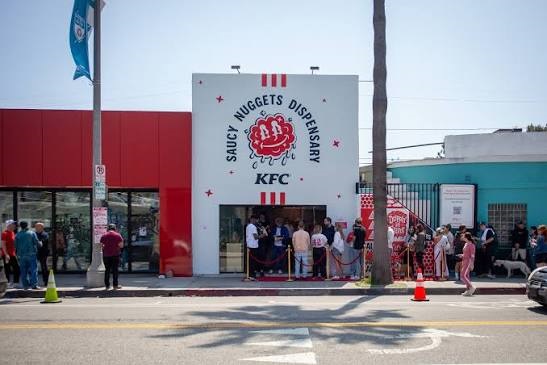
KFC turned a pop-up store in Venice, California, into a fake cannabis shop that, instead of marijuana, sold nuggets and sauces in various flavors.
👉 Over 1,000 visitors in a single day and over 1 billion impressions.
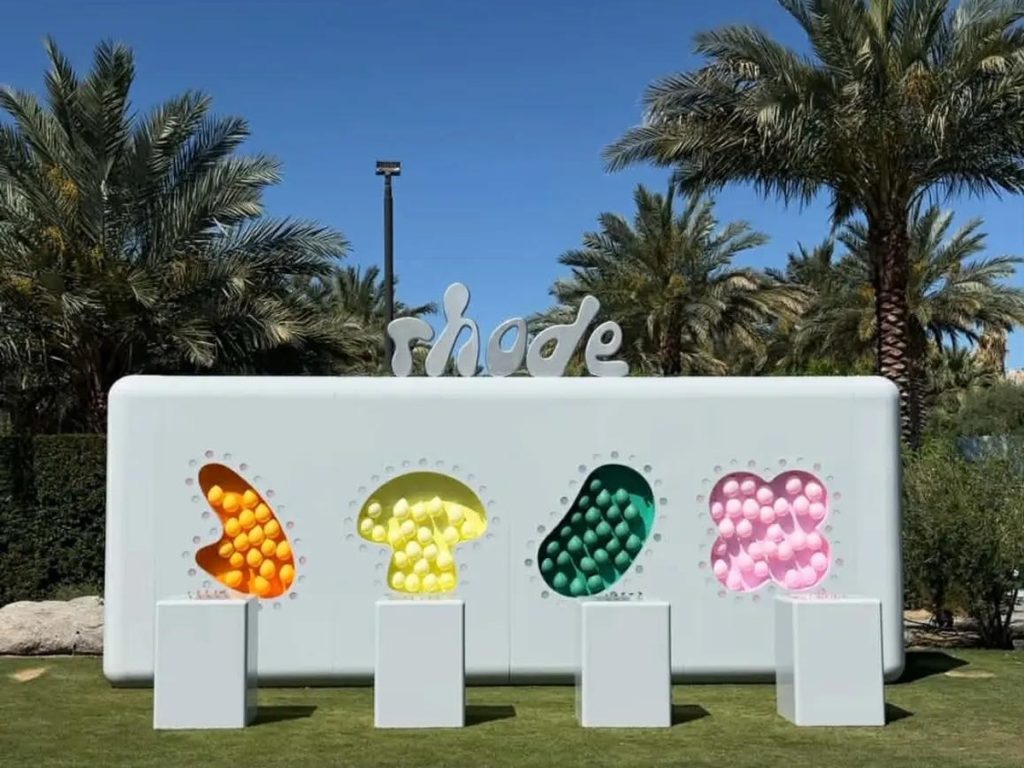
Outside the Coachella venue, Rhode created its own universe—Rhode World—to coincide with the launch of Spotwear. There were games, prize machines, food, installations, and tons of elements designed to be photographed and shared.
👉 Content ecosystem + community + celebrity marketing + $10 million in Media Impact Value in just the first weekend. Rhode has turned it into a traveling platform that takes the event to other cities and markets. The brand itself views the tour as a way to reach out to less obvious cities as well.
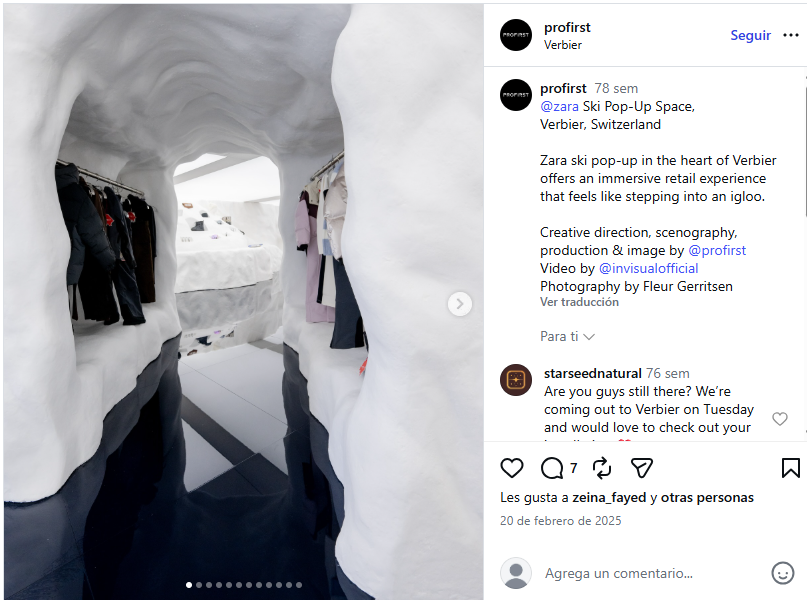
Zara took its experiential retail strategy to “new heights” with the opening of its Ski Pop-Up in Verbier, Switzerland, designed to showcase its latest ski collection. The pop-up store was conceived with an igloo-inspired aesthetic, featuring deep blue floors, white walls, and lighting that mimics the glow of ice, designed by the agency Profirst. It included a hot chocolate bar and an outdoor area for storing skis.
👉 Zara Ski is part of a series of recent initiatives that explore new store formats and shopping experiences. Concepts such as Zara Streaming (live shopping) or Zacaffé.
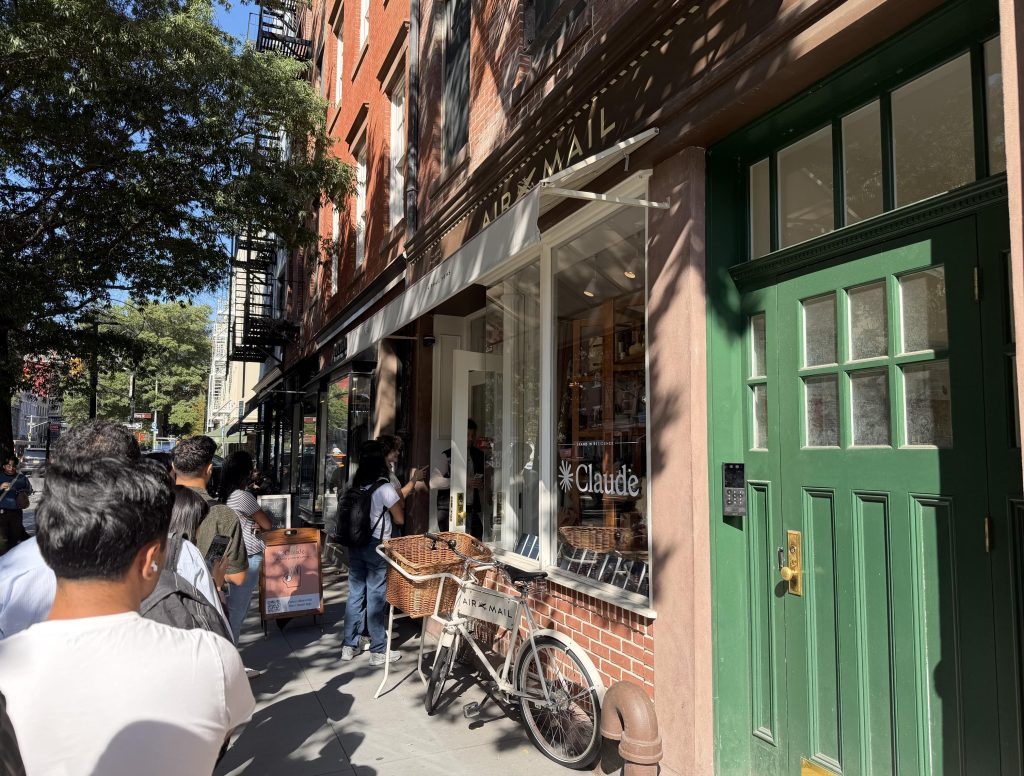
Proof that pop-ups are about more than just beauty, fashion, food, or lifestyle. Anthropic transformed a small newsstand in the West Village into a Café de Claude.
👉 More than 5,000 visitors in a single weekend and 10 million social media impressions. Human-centered technology in the physical world, in an initiative that goes beyond B2C.
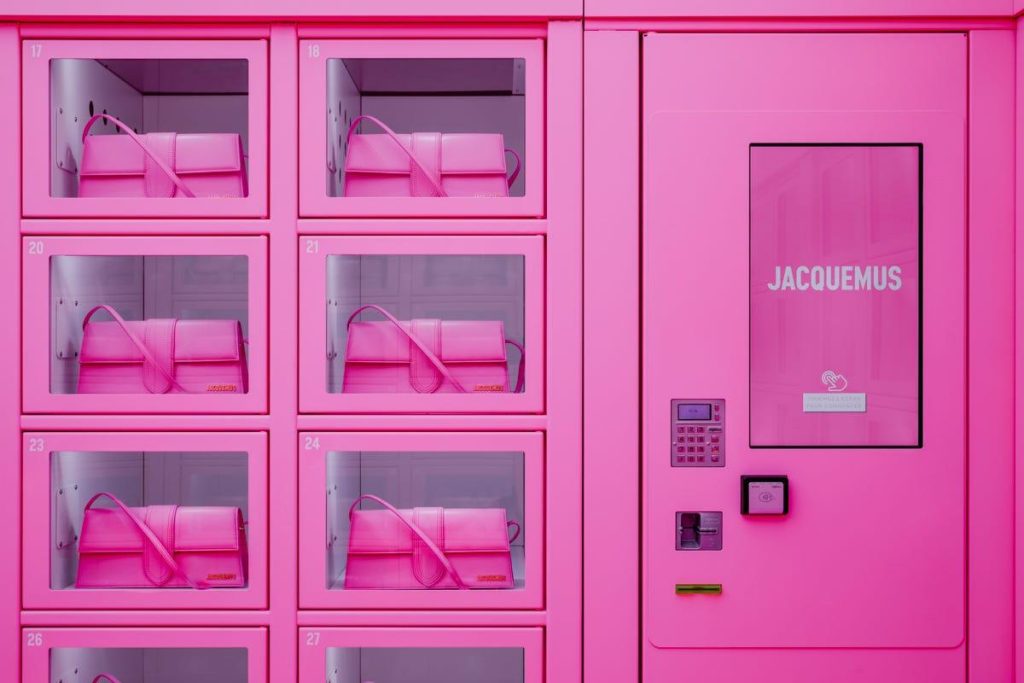
Jaquemus was the talk of the town with his enormous handbag vending machines in unexpected locations. It was not only almost a work of urban art, but also a clever marketing ploy that became pure brand communication.
👉Brand awareness, PR, content, sales, search engine optimization.
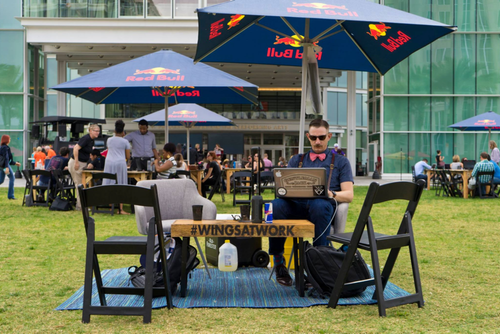
Red Bull Wings at Work was a pop-up workspace for entrepreneurs in Orlando. It featured speakers, brainstorming sessions, mentoring, reverse pitches, and even yoga.
👉20,000 cans distributed; an 18% increase in sales in Downtown Orlando during the 90-day campaign; recognition from the City of Orlando for its contribution to the community. The brand became a “facilitator” of an experience that addresses a real need in the community.
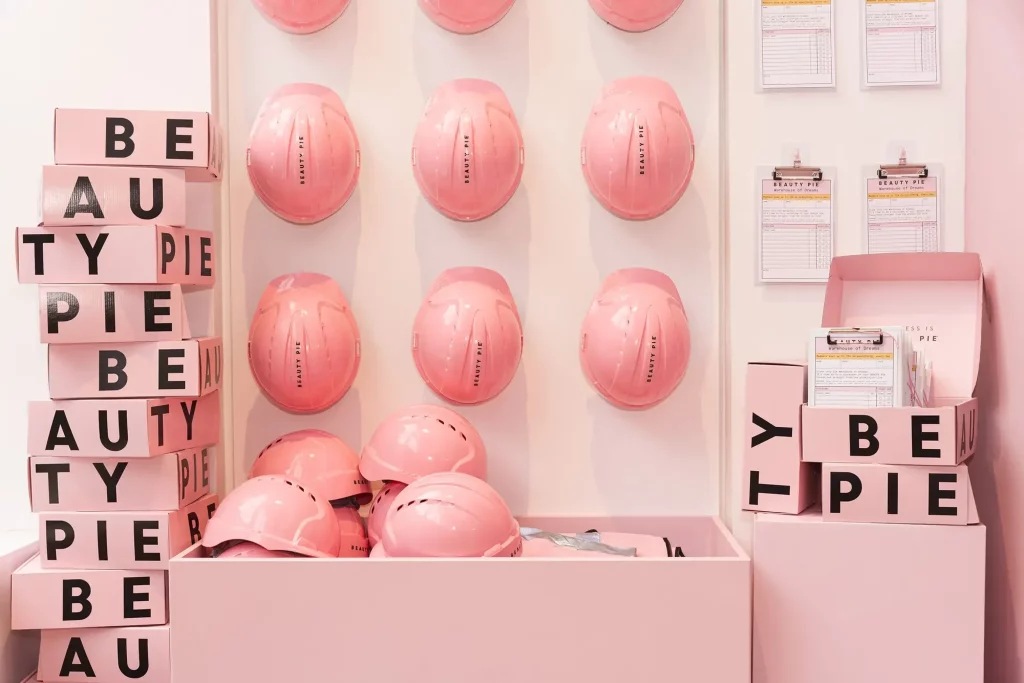
Beauty Pie was primarily a digital brand and created a pop-up store in London to bring its online model into the physical world. The space allowed customers to try out more than 200 products and was designed specifically to turn visits into purchases.
👉20,000 daily sales, more than 200 new memberships per day, 12 million people reached, 40,000 interactions, 2.6 million impressions.
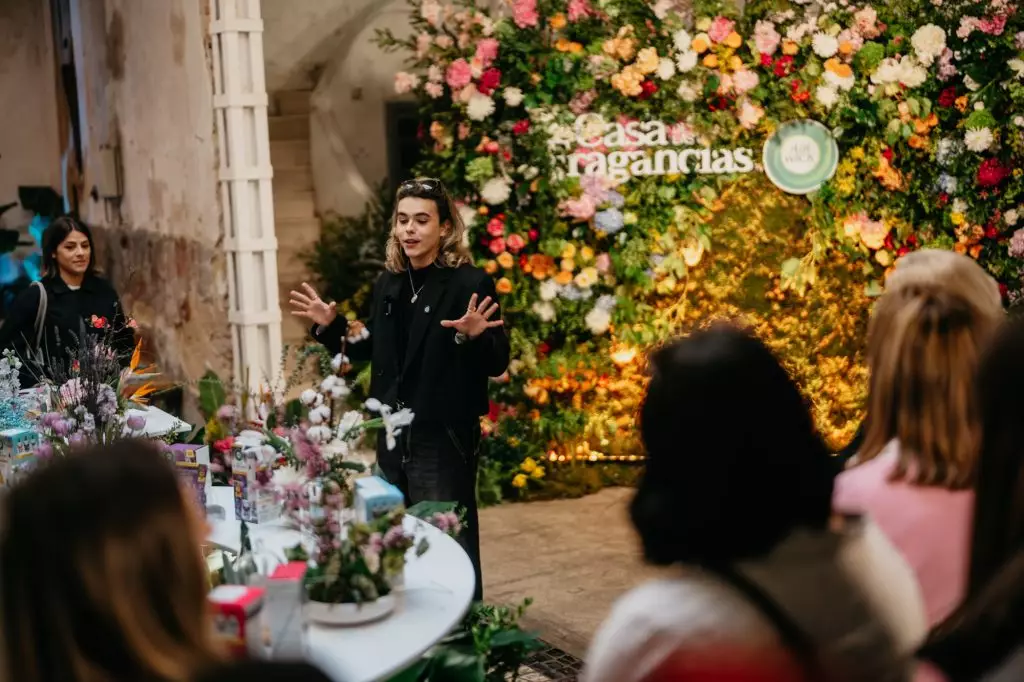
Air Wick ’s La Casa de las Fragancias in Madrid existed for just one day. It was a refreshing experience on a winter afternoon to herald the arrival of spring.
👉Product presentation, building rapport with the audience.
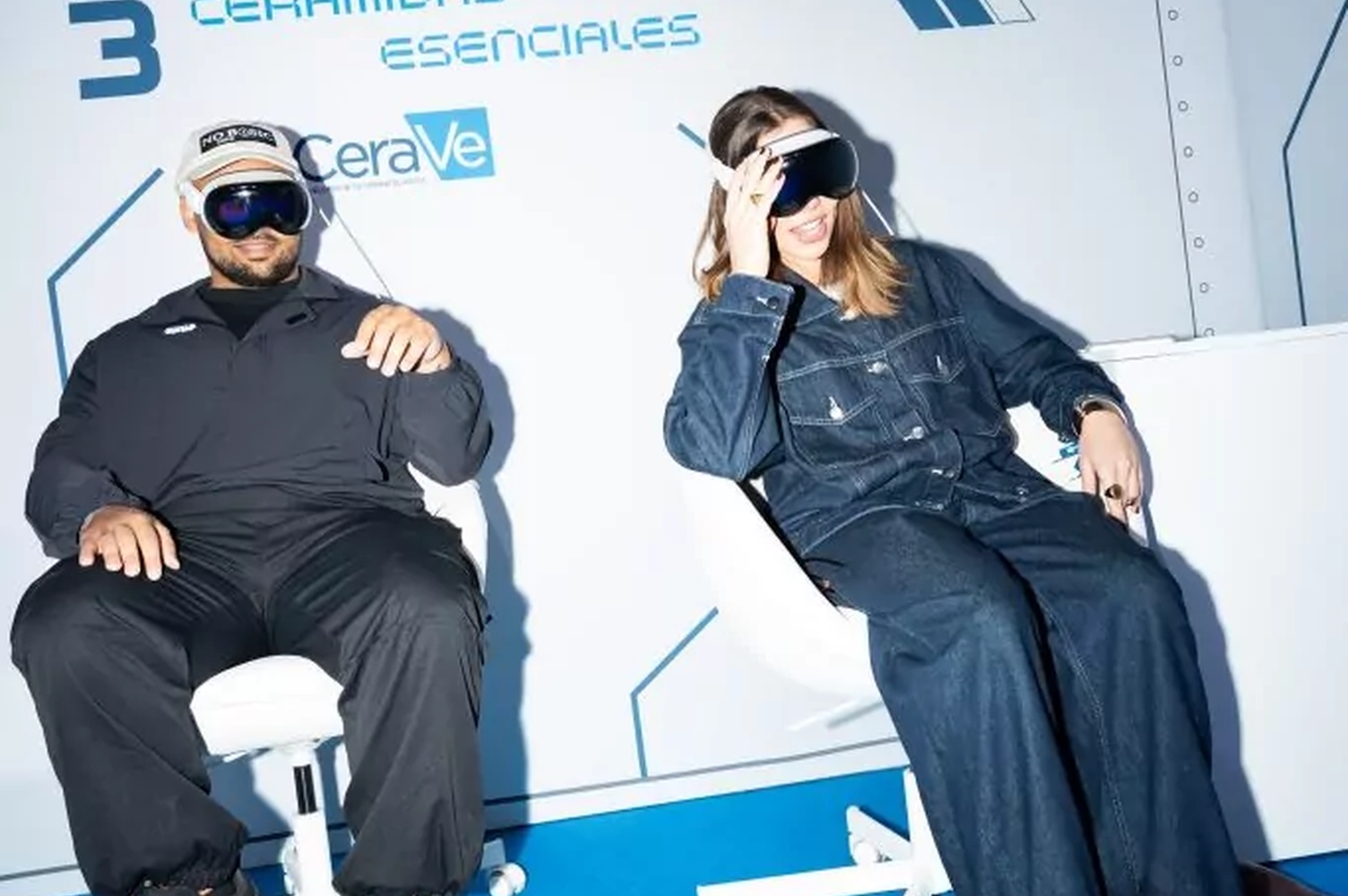
Gamification took center stage at this SOMOS pop-up for CeraVe at Madrid’s Rastro, designed to help people learn about, protect, and care for their skin. The brand’s products were featured in games such as “Mission SPF” in an arcade-style version, “Mission Ceraverso” with Allpe glasses, and “Mission Invisible,” which focused on facial skin shine, among other activities.
👉Social media posts by the 350 teenagers who participated added to the more than 22 million viewers reached by the 2025 CeraAwards ceremony.
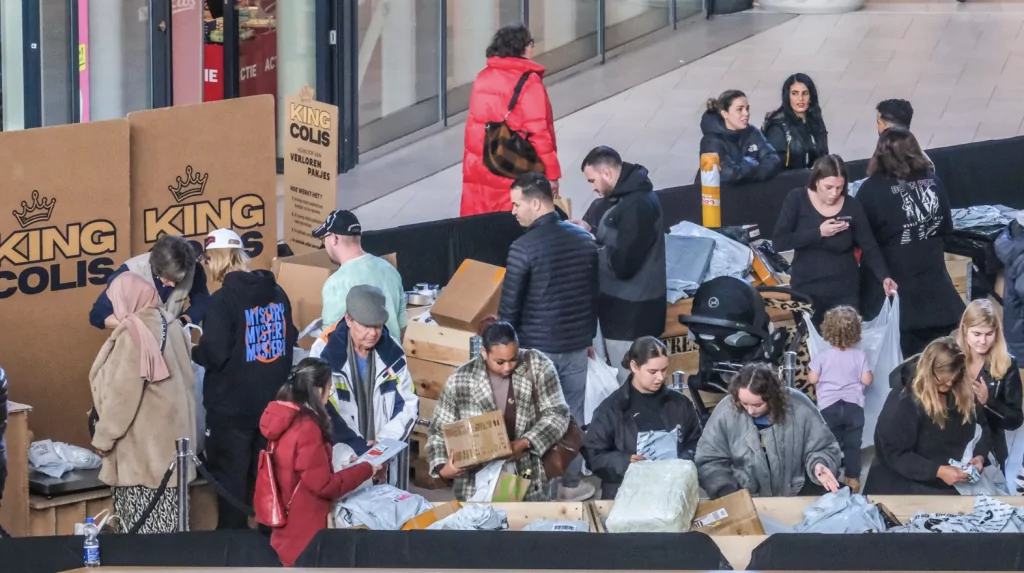
The French startup King Colis offers a solution—one that is not only sustainable but also profitable—to the more than one million packages lost in Europe each month, which account for 0.7% of the total volume of e-commerce shipments. The success of this initiative is based on both the element of surprise and the fleeting nature of pop-up stores.
👉 In total, between 50 and 70 metric tons of packages are sold each month in 10 European countries each year.
Cover photo: Parfois pop-up last December in Madrid.