

Sport as a brand territory: We spoke to Zurich, FC Barcelona, Maxinutrition and industry agencies.
Share news
Listen

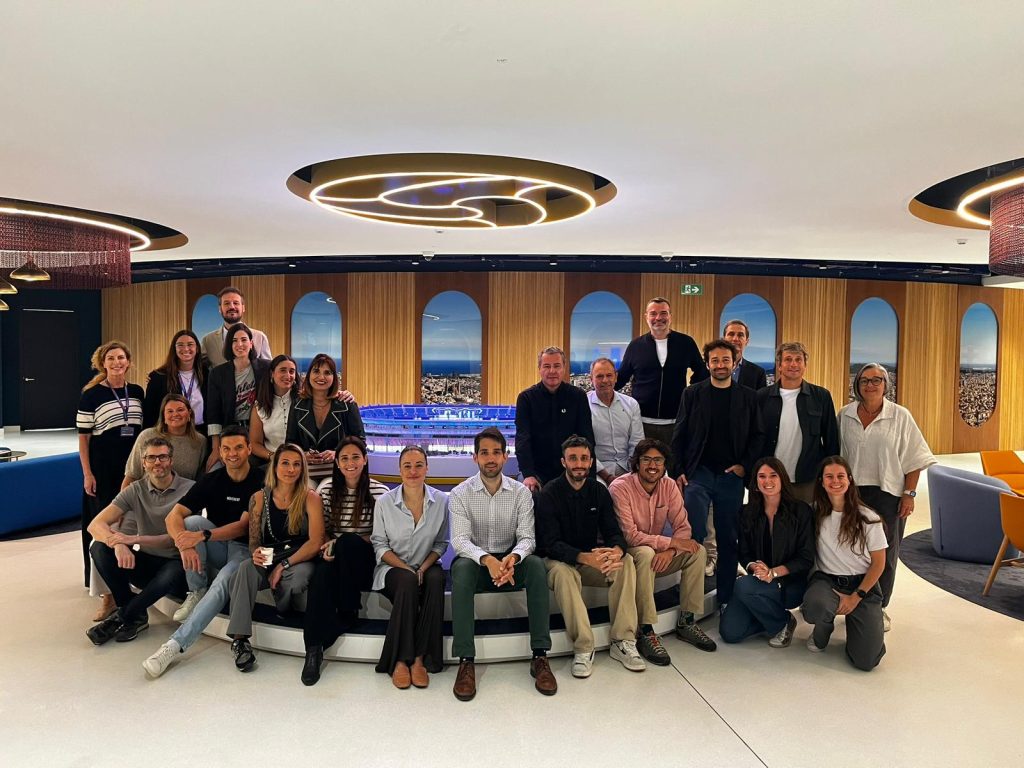
The meeting took place at the Spotify Camp Nou, a very natural starting point to open this conversation about sport, brands and experiences. On the table were sponsorships, running clubs, fitness, hospitality, fairs, content creators, communities, new disciplines, brand activations and events that are no longer explained only from the competition, but from the experience.
And that is precisely why we wanted to bring together very different profiles at the same table: communication and event agencies, brands linked to sports, content specialists, nutrition, PR, sponsorship and sports marketing. Because talking about sport today is no longer just about a game, a race or a competition. It is to talk about how brands are activated, how communities are built and how experiences multiply on and off the field.
From large logo to meaningful experience
For years, to talk about sports sponsorship was to talk about visibility. To be on the tarpaulin, on the T-shirt, in the goal arch or at the photocall. But that logic seems to have fallen short. A key idea was repeated at the meeting: sponsorship, if it is not well activated, loses much of its value. One of the examples that came up in the conversation was the alliance between FC Barcelona and Spotify, which has taken sponsorship into more cultural and experiential territories, especially through music and actions designed to connect with younger and digital audiences. It’s no longer just about appearing, but about generating conversation around sport and everything that surrounds it.
Zurich, for its part, showed a long-range vision. Carolina de Moura explained how the insurer has built a community around running, De pies a cabeza, with more than 70,000 members. Its sponsorship of five marathons in Spain is not limited to naming, but is deployed in sweepstakes, content, benefits for customers, employees and the community, and its own challenges such as “the big five”. Sponsorship thus becomes a sustained relationship, not a one-off presence.
This led to one of the clearest ideas of the session: sports sponsorship is no longer just a marketing decision, but a business decision. It can impact sales, product innovation, corporate relations, employee engagement, community and brand positioning.
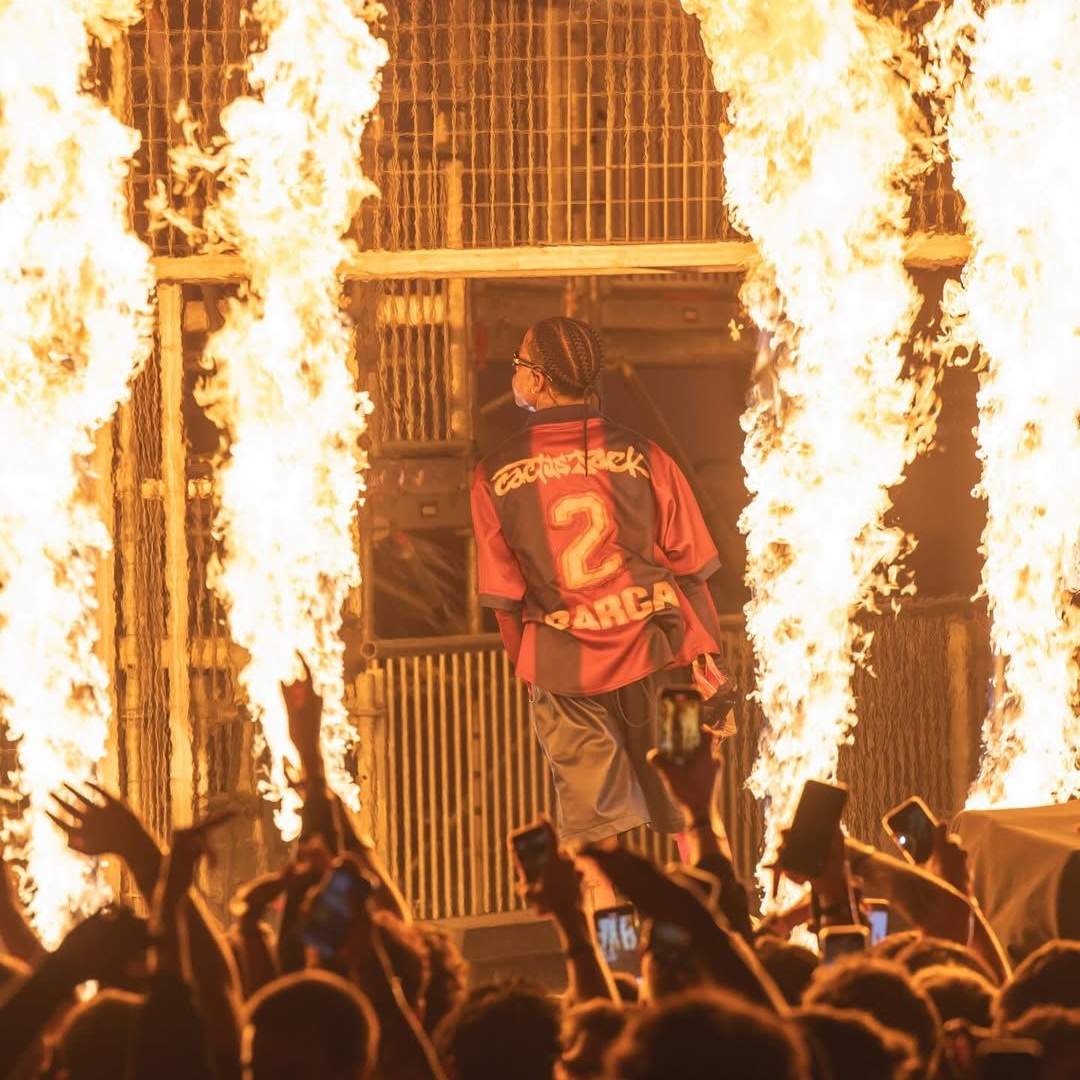
Travis Scott, Barça and Spotify revolutionize the Clásico with a secret concert and a limited edition t-shirt
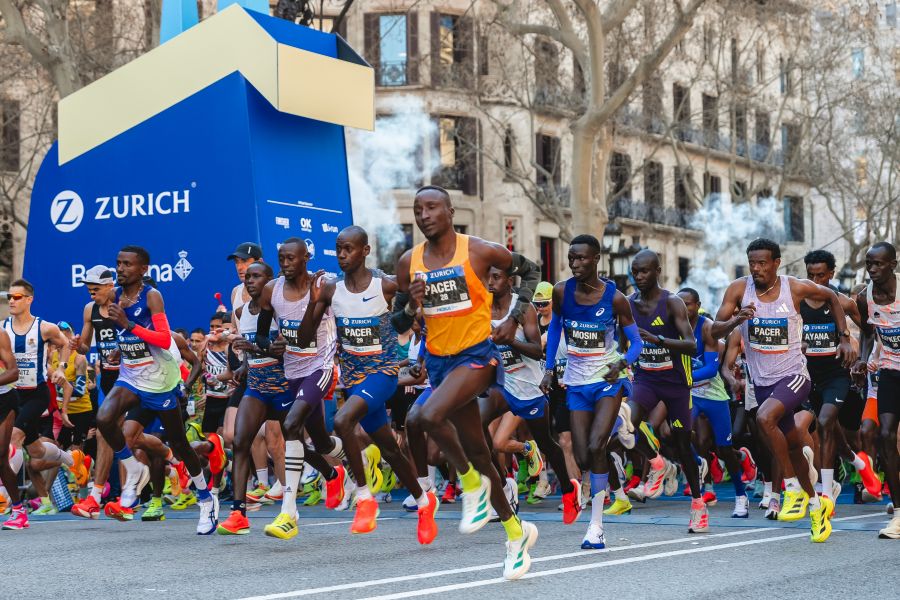
We spoke with Sonia Mansilla Fernández, Director of Marketing and Communications at Zurich.
Sports as a content generator
Another big change is in the sport’s ability to produce content before, during and after the event. A marathon, a gravel race, a trail camp or an amateur competition can become a narrative of weeks or even months.
Rocío Carasso, from Roc PR, explained it from the perspective of emerging brands:
many are no longer asking so much about the logo, but about what they can do and how they can tell it in their own way. Sport becomes an excuse to create your own content, activate communities and enter into conversations that already exist.
Cristina Respetto, nutritionist, former professional athlete and content creator, added an important layer:
the content that works is no longer the one that “sells” in an obvious way, but the one that shows real experience, preparation, natural use of the product and experience. The activation on the day of the event matters, but also the before and after.
In this sense, content creators are no longer mere amplifiers. It is no longer enough to invite them, take a photo and publish a story. Their role is increasingly closer to that of communication consultants capable of translating the codes of a community. However, there was also talk of the risk of working with profiles that are not very credible or disconnected from the brand’s values. Authenticity, here, is not an extra, it is the starting condition.
Mouse head or lion tail
Another of the most interesting debates was the dilemma between betting on large sports properties or building smaller, owned and controlled activations. Not all brands can or want to be in the big showcase. And increasingly, many are finding value in being the protagonist of a smaller event, but much more connected to their community.
From Maxi Nutrition, Jan explained how the brand has gone from sponsoring large generalist events to betting on smaller and related formats, linked to fitness, crossfit or Hyrox. The conclusion was clear: for some brands it is much more interesting to be relevant in a niche than to get lost in a big event where the audience does not always fit their target.
Jaume Solé, from Método, provided another example from a tactical scale: a trail camp of El Corte Inglés in which several sports brands participated so that consumers could test products during a weekend. Beyond the physical attendees, the value was in the content generated afterwards and in the ability to position the brand as a prescriber within a specific territory.
Therein lies one of the keys of the moment: the small event is not necessarily small in impact. If it is well thought out, it can generate community, content, product testing, relationships with collaborating brands and a much more profitable narrative than a passive presence in a large sponsorship.
Running clubs, fitness, paddle tennis and new communities
The rise of sport as a social practice was another major topic on the table. Running, paddle tennis, yoga, boutique fitness or gravel are not only consumed as a spectacle, but as a participatory experience. In many cases, the critical mass is not in who watches, but in who practices.
This opens up huge territory for brands. Running clubs have become new spaces for socializing, almost the new afterworks. Sports festivals, group training sessions, hybrid sessions between leisure and wellness, or weekend events in campsites and experiential spaces allow to connect with active communities, very predisposed to share and very emotionally linked to what they live.
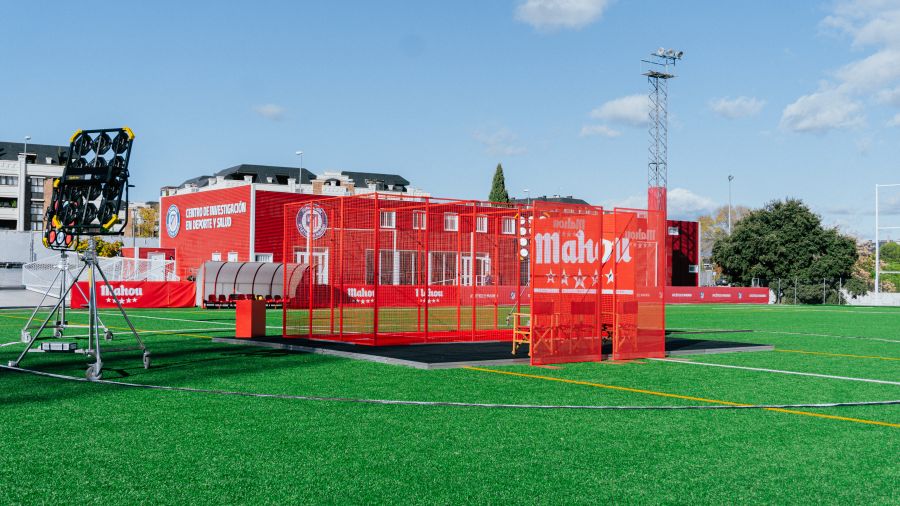
Mahou takes over the “third time” of padel with After Padel Club
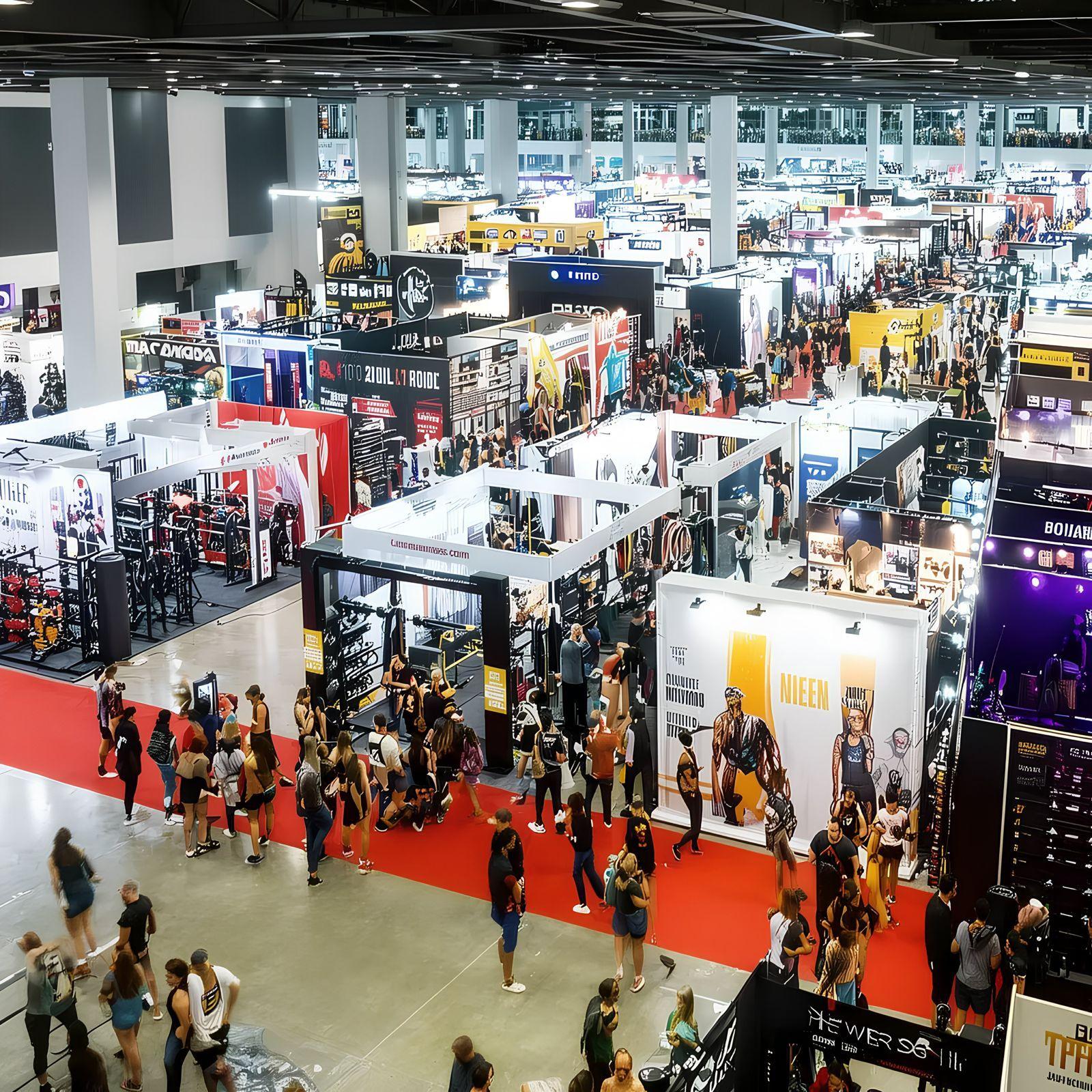
No fair, no congress, no festival: SOMA premieres a new event format in Valencia
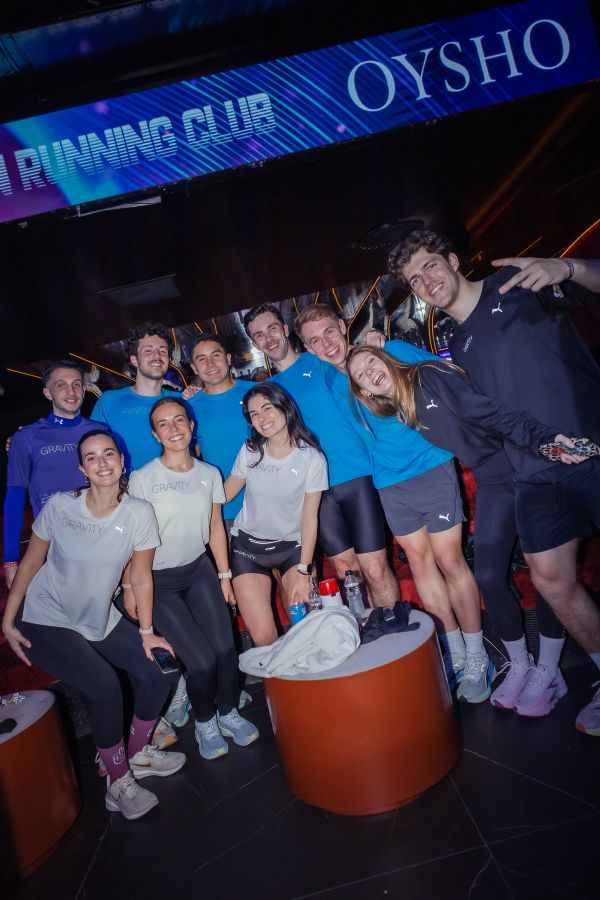
Sutton Running Club swaps tequila for endorphins
When sport enters non-sporting territory
The conversation also turned the usual approach on its head. It’s not just about bringing brands to sport, but also about bringing sport to non-sporting territories. Fashion fairs, congresses, urban festivals or retail meetings are increasingly incorporating sports activations to add energy, participation and content.
ScrapWorld appeared as an example of this mix of territories: a fair linked to fashion, sneakers and urban culture that has incorporated sports activations within the venue, from soccer fields to skate parks or experiences linked to motorsports. They also talked about how sport can transform traditionally more rigid formats, such as congresses or fairs, by incorporating training sessions, shows, product testing and participatory experiences.
In parallel, major sporting events and IPs are also being chopped up and brought to the city. The presentation of the Grand Départ of the Tour de France in Barcelona served as an example of how a sporting event can become a major urban, touristic, media and experiential operation.
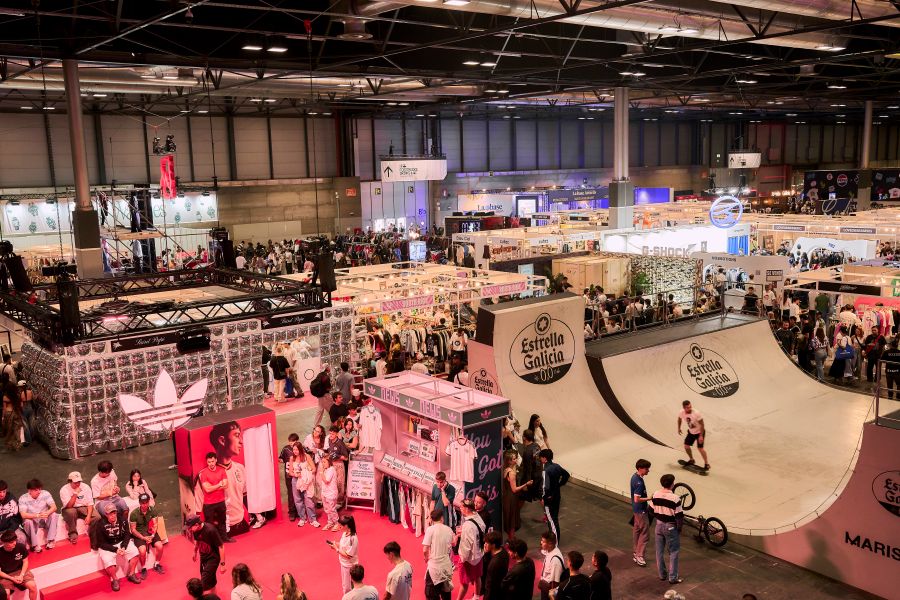
La feria que parece un festival y factura millones: así es el fenómeno Scrapworld
Sport as a business platform
The relational side also came on strong. Sports hospitality, boxes, match day experiences and corporate clubs are becoming more sophisticated. Axel Riera explained how FC Barcelona is working on new formats for companies beyond traditional hospitality, with proposals based on networking, community and experiences linked to the sports environment.
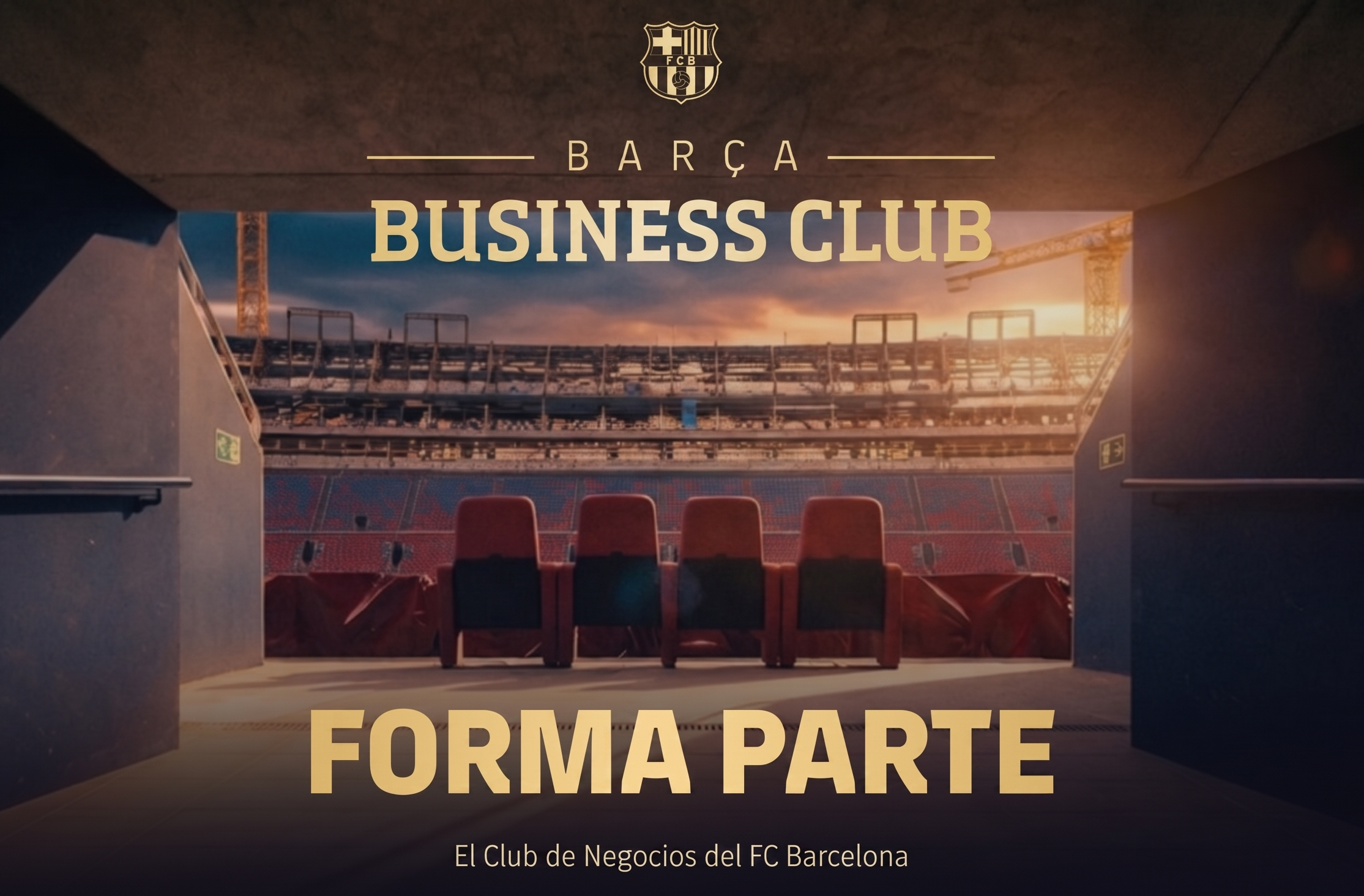
The model reflects another underlying trend: sport as a space to do business, generate relationships and offer memorable experiences to customers, employees or partners. From experiencing a game in a different way to accessing moments or spaces that are usually restricted, the value is no longer just in watching the sporting event, but in everything that can be built around it.
The conclusion: sport is territory, not format.
After listening to brands, agencies and specialists, we were left with a clear idea: sport can no longer be understood as an isolated category. It can be a marathon with 20,000 runners, a running club with 40 people, an activation at a trade fair, a corporate membership, a proprietary IP or a collaboration between brands.
For agencies, the challenge will be to better understand communities, design meaningful experiences and not fall into empty activation. For brands, the challenge will be to choose where to be, why to be there and how to add value. And for the events sector, the opportunity is enormous, because sport no longer happens only on the field, on the track or at the finish line. It also happens in the networks, in the cities, in the content, in the clubs, in the communities and in the stories that people want to live and share.
We would like to thank everyone who participated in this meeting and shared their vision on how sport is becoming an increasingly powerful territory for brands, experiences, communities and events.
Participants of the meeting
Meggane Grand (CA Sports) – Luis Comajuan (The Bakery Group) – Albert Fleta (Metodo Agencia) – Jaume Solé (Metodo Agencia) – Pablo Gutierrez (AMT) – Nacho Gómez (Mut Agency) – Carolina De Moura (ZURICH) – Alexa (Voraz Estudio) – Toni Alvarez (Seven Mila Events SL) – Victor Casanovas (Seven Mila Events SL) – Cristina Respetto (Etio 360) – Jan (Maxinutrion) – Xavi (Fitline) – Rocío Carasso (Roc PR)